
Why luck plays a crucial role in casino success
The Nature of Luck in Gambling
Luck is often perceived as a mysterious force, something beyond the control of players in the world of gambling. In casinos, chance governs the outcomes of games, whether it be spinning a roulette wheel or drawing cards in a game of blackjack. Unlike most forms of investment or strategic endeavors, where skill and knowledge play a significant role, casino games often hinge on elements of chance and online pokies real money present unique opportunities for excitement and risk. This inherent randomness can lead to both exhilarating wins and devastating losses, making every visit to the gaming tables a gamble in its truest sense.
The unpredictable nature of luck can significantly impact a player’s experience. For instance, a player might enter a casino feeling optimistic, believing that today could be their lucky day. This sentiment can enhance the overall atmosphere and create an engaging environment. However, as the games unfold, luck may turn against them, resulting in unexpected losses. This roller coaster of emotions is what makes gambling both thrilling and perilous; success can be just one lucky spin or deal away.
Moreover, this element of luck plays into the psychology behind gambling. Many players develop superstitions or rituals they believe will influence their chances of winning. From wearing lucky charms to specific gambling habits, these behaviors stem from the desire to harness luck and improve outcomes in their favor. Ultimately, understanding the role of luck in gambling is crucial for anyone engaged in casino activities; it defines not just the nature of the games played but also the mindset of players involved.
Luck vs. Skill: The Ongoing Debate
The conversation surrounding luck and skill in casinos has been ongoing for years. While some games are purely based on chance, such as slots or roulette, others involve a degree of skill and strategy, like poker or blackjack. In poker, for instance, players can make decisions based on probability and psychology, potentially mitigating the element of luck through their gameplay. Yet, even the best players cannot escape the randomness of the cards dealt, emphasizing the coexistence of skill and luck.
This duality raises important questions about gambling strategies and their effectiveness. Can a player truly gain a consistent edge in games dominated by chance? Numerous studies suggest that while strategic play can enhance the likelihood of success in skill-based games, luck still plays a pivotal role. For example, a skilled poker player may consistently win against less experienced opponents but will inevitably encounter hands where luck determines the outcome.

This interplay between luck and skill also informs the strategies players employ in casinos. Those who understand the importance of luck might approach gaming with a more relaxed demeanor, treating sessions as entertainment rather than a guaranteed path to riches. Recognizing the limits of skill can lead to healthier gambling habits and a more enjoyable experience overall, as players focus on the fun rather than solely on the outcomes.
The Role of Casino Design and Atmosphere
Canniness in design and atmosphere within casinos plays a vital role in the gambling experience. Modern casinos are crafted to evoke excitement and stimulate players’ senses, further amplifying the feeling of luck. The bright lights, vivid colors, and engaging sounds serve to create an environment where players feel that fortune could be just around the corner. This design strategy can often create a false sense of confidence in the players, making them believe that luck is more accessible than it truly is.
Moreover, casinos are adept at using layout strategies to enhance the perception of luck. High-stakes games are often highlighted, and players frequently witness others winning significant amounts, reinforcing the idea that luck is a tangible entity within the space. The interplay of these elements creates an environment where hope reigns supreme, and even players experiencing losses can feel a surge of optimism with each spin or deal.
The psychology of luck does not only apply to the physical casino environment but also extends to online platforms. Digital casinos use similar visual stimuli and ambient sounds to replicate the excitement of a real-life gambling experience. Therefore, whether in a brick-and-mortar establishment or an online setting, the atmosphere significantly influences players’ perceptions of luck and can affect their gambling behavior accordingly. This emotional connection to luck is a key factor in casino success, as it keeps players returning for the thrill.
The Impact of Luck on Player Behavior
Luck significantly impacts player behavior, influencing decisions and the extent to which individuals engage with different games. When players experience winning streaks, the positive reinforcement can lead to increased betting, as they perceive themselves as being on a “lucky run.” This phenomenon can often lead to riskier strategies, where players might abandon sound gambling practices in favor of chasing the high of their recent successes. Such behavior can become problematic, especially when losses begin to mount, leading to frustration or irrational decision-making.
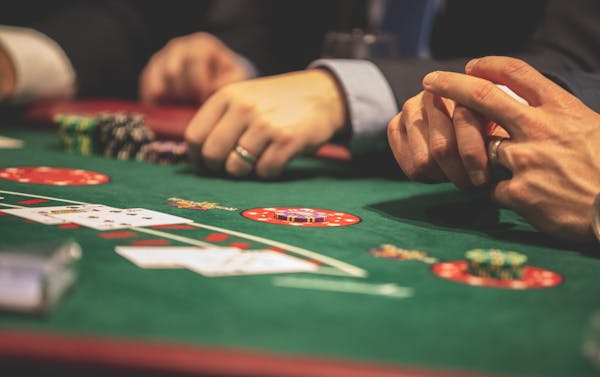
Conversely, when luck is not on a player’s side, it can lead to a variety of emotional responses, ranging from disappointment to despair. This emotional roller coaster could drive players to double down on their bets in hopes of recouping losses, which can lead to further financial strain. Therefore, understanding the psychological impact of luck is important for both players and casino operators alike, as it can inform responsible gambling initiatives and ensure a safe experience for all.
In essence, players’ perceptions of luck can dictate their gambling experience, making it crucial for them to cultivate a mindset that recognizes luck’s role while maintaining awareness of the inherent risks involved. By acknowledging luck’s unpredictable nature, players can strive to adopt a balanced approach to gambling, prioritizing entertainment while remaining mindful of their financial well-being.
Conclusion: The Interplay of Luck in Casino Operations
The relationship between luck and casino success extends beyond the individual gambler. Casinos rely on the element of luck to create an enticing environment that draws players in. By facilitating a sense of chance, establishment owners can encourage repeat visits, generating a consistent stream of revenue. Luck is an essential marketing tool that casinos leverage, presenting the idea that anyone can walk in and hit it big, appealing to the fantasies and dreams of prospective gamblers.
Furthermore, both casinos and players must navigate the complexities of luck’s impact. While players often seek to maximize their chances through strategies or superstitions, casinos implement systems and policies that manage the risk associated with the games they offer. This delicate balance is key in creating a sustainable gaming environment that ensures both operator profitability and player satisfaction.
In conclusion, the role of luck in casino success is undeniable. It permeates every game, influences player behavior, and drives the overall experience within the casino landscape. By understanding the profound effects of luck, both players and operators can thrive in the exciting yet unpredictable world of gambling, turning each session into a memorable experience filled with the potential for fortune.